2026 Conference Theme
Transition in Action:
Planners Leading NSW’s Shared Future
NSW is navigating a decade of profound transition in housing, energy, climate resilience, economic identity, governance, technology, and in the expectations placed on the planning system itself. Pressures once seen as “future challenges” are now immediate realities for every region.
This conference celebrates planning as a profession that turns uncertainty into opportunity. From delivering well located housing to guiding major infrastructure and supporting community led change, planners are at the forefront of shaping NSW’s shared future.
The Hunter, a region defined by continual reinvention, offers the perfect setting to explore how transitions can be constructive, community driven and full of possibility.
Across NSW, planners are becoming the profession of hope: conveners, interpreters, implementers and problem solvers who transform contested futures into shared ones. But as the scale of reform accelerates, questions become more urgent:
- What other changes are required in the planning system itself to manage this decade of transition?
- How do we prioritise housing while balancing land, environment and economic pressures?
- What new skills, tools, data and technologies, including AI, will planners need to lead the next decade?
This conference invites both strategic planners and DA practitioners to explore these challenges and shape a planning system that is ready for the future. Explore the full conference theme Transition in Action along with our sub themes:
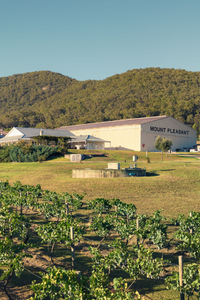 |
Transition, Self Determination and Local Agency
How local government, communities, First Nations groups and regional institutions assert real influence in shaping transition – in strategy and in assessment.
|
 |
The Transitioning Economy: Energy, Industry, Land and Community Futures
What economic, land use, industrial and community transformations are underway – and how planners shape equitable, resilient outcomes.
|
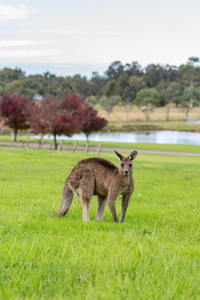 |
Land Use Under Pressure: Competing Needs, Limited Space
How regions can plan, and assess, when every land use competes for the same finite space: housing, agriculture, biodiversity, tourism, hazards and climate resilience.
|